Introduction
Why Teams Need Shared Experiences to Build Stronger Workplace Relationships
Every successful organization depends on more than talented employees. High-performing teams are built on trust, communication, and collaboration — qualities that grow through shared experiences rather than everyday work alone.
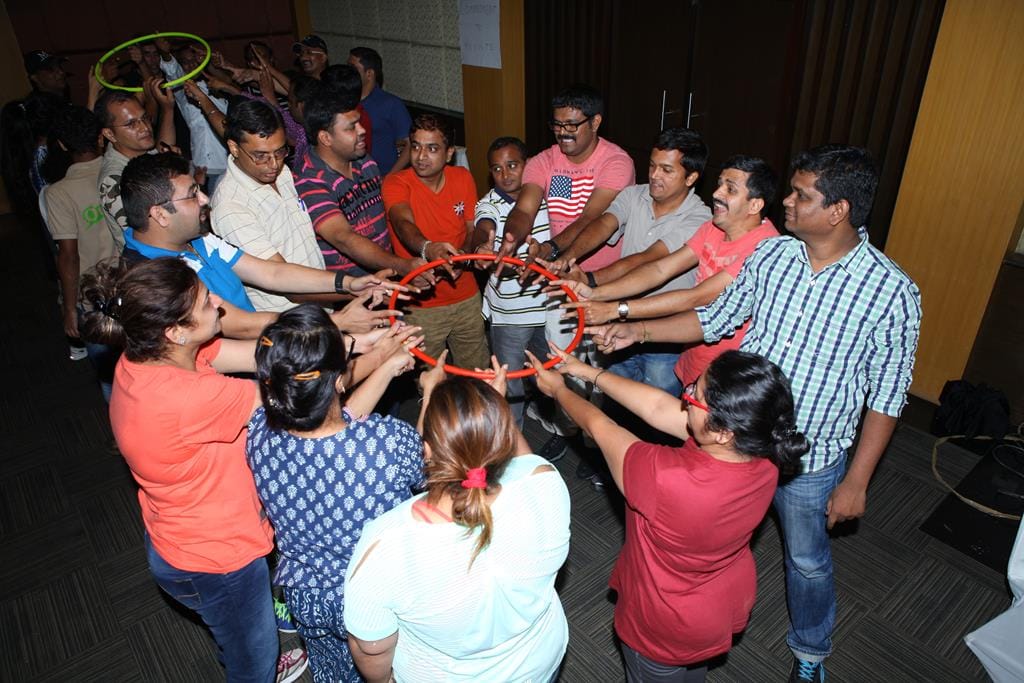
While meetings and projects help employees achieve business goals, they don’t always create meaningful connections between team members. Shared experiences allow employees to interact differently, solve challenges together, and understand each other’s strengths outside their usual roles.
Whether it’s a corporate offsite, employee engagement program, leadership workshop, or interactive team building activity, these moments create stronger workplace relationships that continue long after the event ends.
What Are Shared Team Experiences?
Shared team experiences are structured activities where employees work together toward a common objective outside their daily responsibilities.
Examples include:
- Corporate Team Building Activities
- Employee Engagement Programs
- Problem-Solving Challenges
- Drum Circle Activities
- AI Team Building Activities
- Leadership Workshops
- Outdoor Team Building Events
- Indoor Team Building Games
Unlike routine work, these experiences encourage employees to communicate openly, collaborate naturally, and build trust through participation.
Why Shared Experiences Matter in the Workplace
Organizations often focus on improving systems and processes, but people perform better when they feel connected to their teams.
Shared experiences help employees:
- Understand different working styles
- Build trust across departments
- Improve workplace communication
- Develop leadership qualities
- Increase collaboration
- Strengthen employee engagement
Teams that know each other beyond job titles often collaborate more effectively during real workplace challenges.
Shared Experiences Improve Communication
Communication improves when employees interact in different environments.
During collaborative activities, team members:
- Share ideas openly
- Listen actively
- Solve problems together
- Make decisions under pressure
- Support one another
These communication habits naturally transfer into the workplace.
Shared Experiences Build Trust Faster
Trust isn’t built during presentations.
It’s built while solving challenges together.
Activities requiring collaboration encourage employees to rely on one another, celebrate achievements, and overcome obstacles as a team.
This creates stronger workplace relationships that improve long-term collaboration.
Why Businesses Invest in Team Building Experiences
Modern organizations recognize that engaged teams are more productive.
That’s why many companies organize:
- Annual Offsites
- Leadership Retreats
- Corporate Team Building Programs
- Employee Engagement Activities
- Department Bonding Sessions
These experiences create opportunities for employees to interact beyond meetings and deadlines.
Technology Is Changing Shared Experiences
Today’s organizations are embracing technology-driven activities.
Examples include:
These activities combine collaboration, technology, and gamification to create engaging learning experiences.
Shared Experiences Create Better Leaders
Leadership isn’t developed only through training.
It grows when employees:
- Make decisions
- Solve problems
- Guide teammates
- Handle pressure
- Encourage collaboration
Interactive activities often reveal future leaders who naturally inspire and support others.
Choosing the Right Team Building Activity
Different teams have different goals.
Consider:
Improve Communication
AI Digital Taboo
Develop Leadership
Leadership Team Building Activities
Increase Employee Engagement
Employee Engagement Activities
Encourage Problem Solving
AI Escape Room Challenge
Outdoor Collaboration
AI Treasure Hunt
Creative Collaboration
Drum Circle Team Building
Conclusion
Shared experiences bring people together in ways everyday work cannot.
When employees communicate, solve problems, and celebrate success together, they develop stronger workplace relationships that improve collaboration long after the activity ends.
Whether through leadership workshops, employee engagement initiatives, AI-powered challenges, or corporate team building activities, investing in shared experiences is an investment in stronger teams and a healthier workplace culture.
FAQs
What are shared team experiences?
Shared team experiences are collaborative activities that help employees build trust, improve communication, and strengthen workplace relationships through interactive participation.
Why are shared experiences important for teams?
They improve teamwork, encourage collaboration, increase employee engagement, and help employees develop stronger workplace relationships.
How do team building activities create shared experiences?
Team building activities place employees in collaborative situations where they solve challenges, communicate effectively, and work toward common goals.
What are examples of shared team experiences?
Examples include corporate team building activities, AI Treasure Hunts, escape room challenges, drum circles, leadership workshops, employee engagement events, and problem-solving games.
Can shared experiences improve workplace culture?
Yes. Shared experiences help employees build trust, communicate openly, and collaborate more effectively, contributing to a positive workplace culture.