Introduction
The workplace has changed dramatically over the past few years. With remote work, hybrid teams, and evolving employee expectations, organizations are looking for new ways to keep their workforce connected and engaged. While traditional team-building programs have their place, companies are increasingly searching for unique team building activities for corporate groups that create genuine connections and deliver measurable results.
Successful team building is no longer about simply organizing games or events. It is about creating experiences that strengthen communication, encourage collaboration, improve morale, and support business objectives. When employees feel connected to their colleagues and workplace culture, they are more likely to be productive, motivated, and committed to organizational success.
This guide explores what makes team-building initiatives effective, why unique experiences matter, and how organizations can create engagement programs that leave a lasting impact.
Why Traditional Team Building Approaches Are Changing
For many years, team-building programs followed a predictable format. Employees attended a workshop, participated in a few activities, and returned to work. While these events often provided short-term enjoyment, they did not always create meaningful improvements in workplace relationships.
Modern organizations face different challenges. Teams may be spread across multiple locations, employees may work remotely, and collaboration often happens through digital platforms. As a result, businesses need engagement strategies that reflect the realities of today’s workforce.
Employees now value experiences that are interactive, personalized, and relevant to their daily work environment. Organizations that adapt to these expectations often see higher participation rates and stronger outcomes.
Unique team building ideas help break monotony, increase participation, and create memorable experiences that strengthen team bonds.
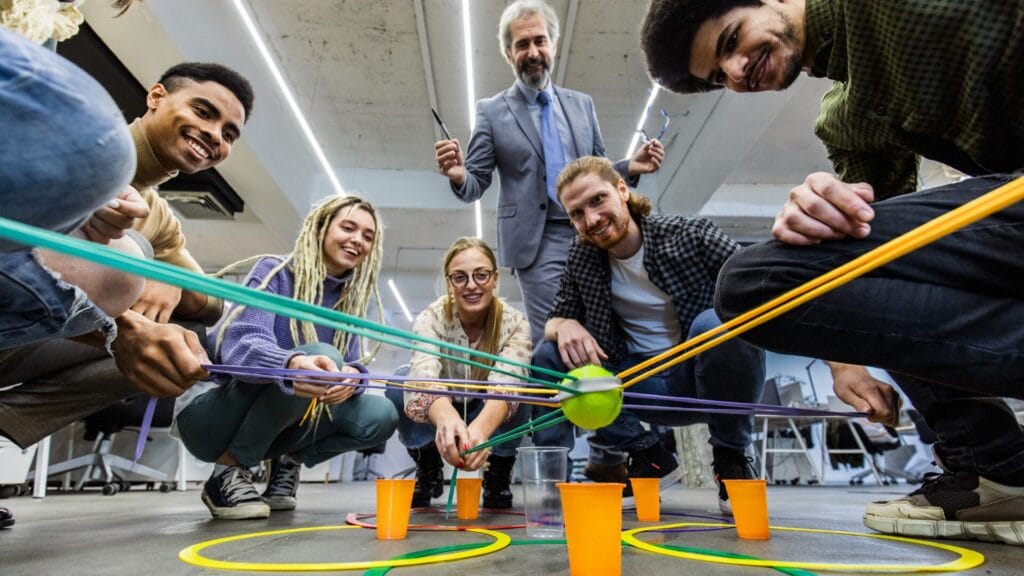
What Makes a Team Building Experience Unique?
A unique team-building experience goes beyond entertainment. It creates opportunities for employees to learn, collaborate, and engage in ways that are different from their normal routines.
Several characteristics define a successful modern team-building program:
Purpose-Driven Design
Every activity should support a specific objective, whether it is improving communication, developing leadership skills, encouraging innovation, or strengthening trust.
Active Participation
Employees are more engaged when they contribute directly rather than simply observing.
Inclusivity
Effective programs ensure that employees from different backgrounds, departments, and experience levels can participate comfortably.
Real-World Relevance
The most impactful experiences reflect workplace challenges and encourage practical problem-solving.
Lasting Impact
Great team-building programs create positive memories and strengthen relationships long after the event ends.
The Growing Importance of Employee Engagement
Employee engagement has become a key factor in organizational success. Engaged employees are generally more productive, collaborative, and motivated.
Organizations that prioritize engagement often experience:
- Improved workplace culture
- Higher employee satisfaction
- Better collaboration across departments
- Increased retention rates
- Stronger leadership development
- Greater innovation and creativity
Team-building initiatives support these outcomes by creating opportunities for employees to interact outside their regular responsibilities.
Challenges Facing Modern Corporate Teams
Today’s workforce encounters several obstacles that can affect collaboration and performance.
Communication Gaps
Misunderstandings can occur when teams rely heavily on digital communication channels.
Department Silos
Employees sometimes work closely within their own departments while having limited interaction with other teams.
Reduced Personal Connection
Remote and hybrid work environments can make relationship-building more difficult.
Employee Burnout
Heavy workloads and ongoing business pressures may impact morale and engagement.
Lack of Collaboration
Without intentional opportunities to connect, teamwork can become less effective over time.
Thoughtfully designed team-building experiences help address these challenges while strengthening workplace relationships.
How Team Building Supports Business Growth
Many organizations view team building as an employee engagement initiative, but its impact extends much further.
Strong teams often contribute to:
Better Decision-Making
Teams that communicate effectively are more likely to make informed decisions.
Improved Productivity
Collaboration reduces inefficiencies and helps employees achieve goals more effectively.
Enhanced Innovation
Employees are more likely to share ideas and explore creative solutions when they feel comfortable working together.
Stronger Leadership Development
Team-building programs often reveal emerging leaders and encourage leadership skills.
Positive Workplace Culture
Employees who trust and support one another contribute to a healthier work environment.
Choosing the Right Team Building Program
Selecting the right experience requires careful planning and consideration.
Define Your Objectives
Identify the primary goal before planning any initiative.
Common objectives include:
- Improving communication
- Building trust
- Encouraging collaboration
- Strengthening leadership
- Increasing employee engagement
- Supporting organizational change
Understand Your Team
Consider factors such as:
- Team size
- Geographic location
- Work environment
- Employee demographics
- Preferred learning styles
Consider Timing
The duration of a program can influence participation and outcomes.
Organizations may choose:
- Short engagement sessions
- Half-day workshops
- Full-day experiences
- Ongoing engagement programs
Align With Company Culture
The most successful initiatives reflect the organization’s values and workplace environment.
Team Building for Remote and Hybrid Workforces
Remote and hybrid work models continue to reshape employee engagement strategies.
Organizations must find new ways to foster connection among employees who may rarely meet in person.
Successful remote engagement focuses on:
- Consistent communication
- Interactive participation
- Shared experiences
- Collaborative problem-solving
- Relationship building
Companies that invest in virtual engagement often report stronger team cohesion despite geographical distance.
Creating Inclusive Team Building Experiences
Inclusion is essential for successful employee engagement.
Every participant should feel comfortable contributing regardless of their role, experience level, or personality type.
Inclusive programs typically:
- Encourage diverse perspectives
- Offer multiple participation styles
- Avoid unnecessary physical limitations
- Support different communication preferences
- Create a welcoming environment
When employees feel included, participation naturally increases.
Measuring the Success of Team Building Programs
Organizations should evaluate whether their engagement initiatives achieve desired outcomes.
Several indicators can help measure effectiveness:
Employee Feedback
Post-event surveys provide valuable insights into participant experiences.
Participation Rates
Higher participation often reflects stronger employee interest and engagement.
Team Collaboration
Managers may observe improvements in communication and teamwork following engagement initiatives.
Employee Satisfaction
Regular engagement efforts can contribute to higher workplace satisfaction levels.
Retention Trends
Organizations with strong cultures often experience improved employee retention.
Tracking these metrics helps businesses refine future programs and maximize return on investment.
Common Mistakes Organizations Should Avoid
Even well-intentioned initiatives can be less effective when planning mistakes occur.
Common challenges include:
Lack of Clear Goals
Without defined objectives, programs may fail to deliver meaningful results.
Limited Employee Input
Ignoring employee preferences can reduce participation.
One-Size-Fits-All Approaches
Different teams have different needs and expectations.
Infrequent Engagement
A single annual event rarely creates lasting impact.
Overlooking Follow-Up
Organizations should reinforce lessons and relationships developed during engagement programs.
Avoiding these mistakes increases the likelihood of long-term success.
Future Trends in Corporate Team Building
The future of team building is increasingly shaped by technology, personalization, and employee experience.
Emerging trends include:
- Digital engagement platforms
- Hybrid team-building programs
- Gamification
- Personalized experiences
- Data-driven engagement strategies
- Wellness-focused initiatives
- Continuous employee engagement programs
Organizations that embrace these trends are better positioned to support evolving workforce expectations.
Why Investing in Team Building Matters
Strong workplace relationships are essential for organizational success. Employees who trust one another communicate more effectively, collaborate more efficiently, and contribute to a positive workplace culture.
Team-building initiatives provide organizations with an opportunity to strengthen these relationships while supporting broader business goals. Whether teams work remotely, in person, or through a hybrid model, meaningful engagement experiences help create a more connected and productive workforce.
Frequently Asked Questions
Why are unique team building activities important for corporate groups?
Unique experiences encourage higher participation, improve collaboration, and help employees build stronger workplace relationships.
How often should companies conduct team-building programs?
Many organizations benefit from monthly, quarterly, or ongoing engagement initiatives depending on team size and business goals.
Can team building improve employee engagement?
Yes. Effective team-building programs help employees feel more connected to their colleagues, managers, and organizational culture.
Are team-building programs suitable for remote teams?
Absolutely. Modern engagement solutions are designed to support remote, hybrid, and distributed workforces.
What is the main goal of corporate team building?
The primary objective is to strengthen communication, collaboration, trust, and overall employee engagement.
How can organizations measure the success of team-building initiatives?
Success can be measured through employee feedback, participation levels, collaboration improvements, satisfaction scores, and retention trends.
Conclusion
Unique team building activities for corporate groups are no longer simply workplace perks. They have become an essential component of employee engagement, workplace culture, and organizational success. By focusing on meaningful experiences that encourage collaboration, communication, and connection, companies can create stronger teams and achieve better long-term business outcomes.
Organizations that invest consistently in employee engagement are often better equipped to navigate change, retain top talent, and build a workplace culture where people thrive.